
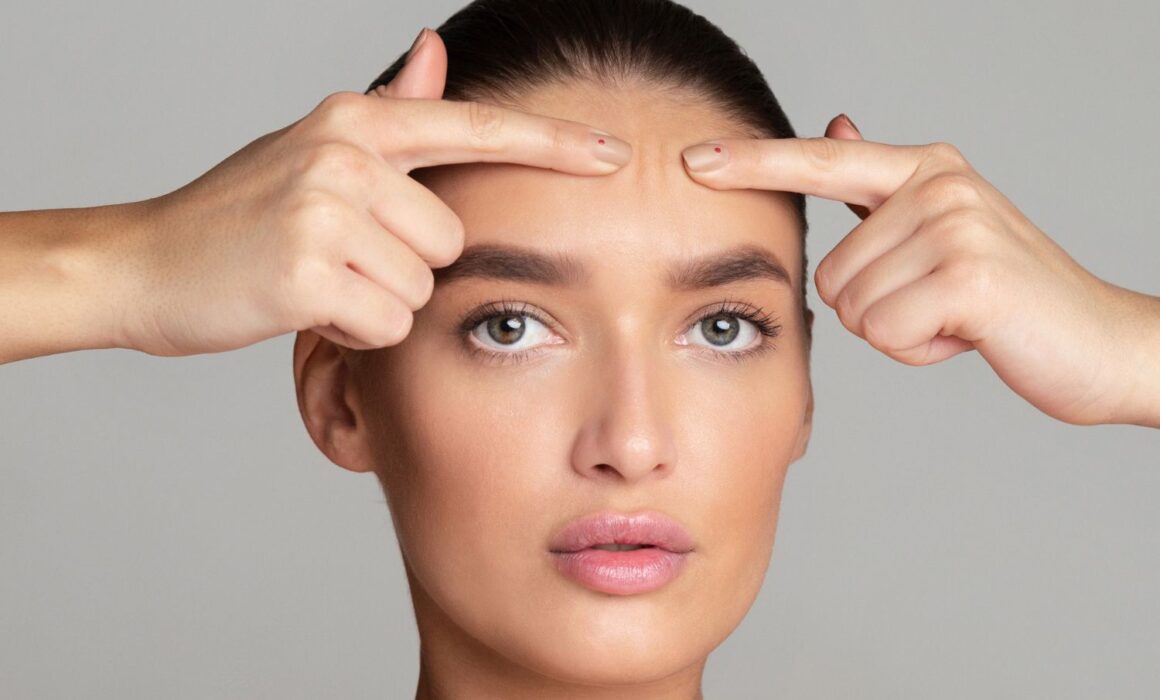
Why Do My Forehead Lines Keep Getting Worse?
Forehead lines are often one of the earliest facial changes people notice.
What may begin as faint expression lines can gradually become more visible over time.
Many people begin researching this concern when they notice lines remaining on the forehead even when their face is relaxed. These lines may appear deeper in photographs or become more noticeable when applying makeup.
A common question arises:
Why do my forehead lines keep getting worse?
Understanding the causes behind these lines can help you make thoughtful, informed decisions about maintaining a refreshed and natural appearance.
Quick Answer
Forehead lines deepen over time due to repeated facial expressions, natural collagen loss, and reduced skin elasticity. As the skin becomes less able to rebound from movement, expression lines may remain visible even when the face is relaxed. Injectable neuromodulators can soften these lines by gently relaxing the muscles responsible for repeated movement.
What People Are Experiencing
People researching forehead lines often describe similar experiences.
They may notice:
- Lines appearing when raising their eyebrows
- Creases that linger after facial expressions fade
- Makeup settling into horizontal forehead lines
- A tired or stressed appearance in photos
These changes are often subtle at first. Over time, however, they may become more noticeable.
Many individuals simply want to maintain a refreshed look that reflects how they feel.
What Are Forehead Lines?
Forehead lines are horizontal wrinkles that appear across the forehead when the muscles responsible for raising the eyebrows contract.
These lines form from repeated facial movement over time.
In younger skin, these lines appear temporarily during expression and disappear when the face relaxes. As the skin matures, they may become more persistent.
Why This Happens
Several natural biological changes contribute to the development of forehead lines.
Repeated Facial Expressions
The forehead contains the frontalis muscle, which lifts the eyebrows.
Every time you:
- raise your brows
- show surprise
- concentrate
- emphasize a conversation
this muscle contracts and folds the skin.
Over time, repeated movement creates visible lines.
Collagen and Elastin Loss
Collagen and elastin provide structure and flexibility to the skin.
Beginning in the mid-20s, collagen production gradually declines. Skin becomes thinner and less resilient.
This makes it more difficult for the skin to bounce back after repeated movement.
Skin Hydration Changes
As skin matures, it often retains less moisture.
Reduced hydration can make fine lines appear more pronounced. While skincare can improve skin quality, it does not address the muscle activity causing dynamic wrinkles.
Sun Exposure
Ultraviolet exposure accelerates collagen breakdown.
This can contribute to deeper lines forming in areas frequently exposed to sunlight, including the forehead.
Dynamic vs Static Wrinkles
Understanding wrinkle types helps explain why forehead lines change.
Dynamic Wrinkles
Dynamic wrinkles appear only when facial muscles move. Early forehead lines typically fall into this category.
Static Wrinkles
Static wrinkles remain visible even when the face is relaxed. They develop as skin elasticity decreases and lines become etched into the skin.
Many people begin exploring treatments when dynamic wrinkles begin transitioning into static lines.
How Injectable Treatments Help
Injectable neuromodulators are commonly used to soften forehead lines.
These treatments work by temporarily relaxing specific facial muscles responsible for repeated movement.
When the muscle activity is softened:
- the skin above the muscle can smooth
- repeated folding is reduced
- lines appear less prominent
The goal is not to remove expressions entirely.
Instead, modern treatment techniques aim to preserve natural movement while softening deeper lines.
Key Benefits of Injectable Treatments
Many people choose injectable treatments because they offer a subtle, refined approach to facial rejuvenation.
Key benefits include:
- Softening visible forehead lines
- Maintaining natural facial expression
- Preventing deeper wrinkles from forming
- Supporting a refreshed, well-rested appearance
Treatments are customized to each individual’s facial anatomy and goals.
What Results People Can Expect
Results vary from person to person.
However, many patients notice:
- smoother forehead skin
- softened expression lines
- a refreshed overall appearance
Results typically develop gradually over several days after treatment.
Most neuromodulator treatments last three to four months before the muscles gradually regain full movement.
Signs You May Benefit From Treatment
Some people begin considering treatment when they notice:
- forehead lines remaining after expressions fade
- deeper horizontal creases across the forehead
- lines that appear more prominent in photographs
- a tired appearance despite feeling well-rested
A consultation can help determine whether treatment may be appropriate.
Who Is a Good Candidate
Individuals who may benefit from treatment often include those who:
- want to soften expression lines
- prefer a non-surgical approach
- value natural-looking results
- wish to maintain facial balance
Preventative treatments have also become increasingly common.
These treatments aim to soften muscle movement before deeper lines develop.
What to Expect During Treatment
Injectable treatments are typically quick and minimally invasive.
During the appointment:
- The provider evaluates facial movement and muscle patterns.
- Small injections are placed into targeted muscles.
- The process usually takes about 10–15 minutes.
Most people return to normal activities shortly after treatment.
Final Thoughts
Forehead lines are a natural part of facial expression and aging. They reflect the countless emotions and conversations we share throughout life.
For those seeking subtle refinement, injectable treatments can offer a thoughtful way to soften lines while preserving individuality.
Understanding the causes behind these changes allows you to make informed decisions that align with your goals and comfort.
FAQ
Why do forehead lines become permanent?
Forehead lines become permanent when repeated facial movement combines with collagen loss and reduced skin elasticity. Over time, the skin becomes less able to rebound from expressions, allowing lines to remain visible even when the face is relaxed.
At what age do forehead lines usually appear?
Many people begin noticing faint forehead lines in their late 20s or early 30s. The timing varies depending on genetics, sun exposure, and facial expression patterns.
How long do injectable treatments for forehead lines last?
Most neuromodulator treatments last about three to four months. Muscle activity gradually returns as the treatment wears off.
Will injectable treatments make my forehead look frozen?
When performed by experienced providers, treatments are designed to soften lines while preserving natural movement and expression.
Can forehead lines be prevented?
Preventative treatments, sun protection, and thoughtful skincare can help slow the development of deeper lines.
If you are exploring ways to soften smile lines while maintaining natural facial balance, dermal fillers may offer a thoughtful and refined solution.
To learn more about treatment options and personalized care, visit the injectables service page.