
Why Do Dark Spots Look Worse After Summer?
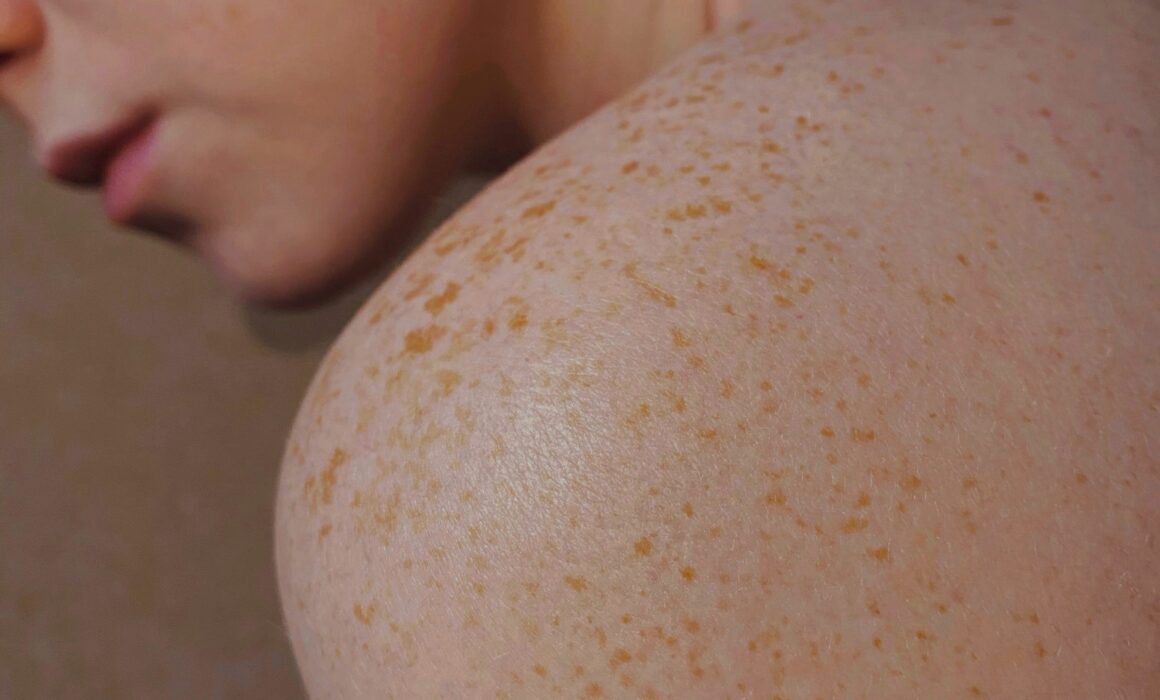
Warm weather, lake trips, and outdoor gatherings defined your summer in Oklahoma. However, as autumn approaches and seasonal tans begin to fade, you may notice an unexpected change in your skin. Persistent brown spots, freckles, and uneven patches often appear darker and more visible across your face, chest, and hands.
Many adults notice new or deepening discoloration every September. If you ask yourself why dark spots look worse after summer, you are not alone. Understanding how sun exposure triggers melanin activity is the first step toward restoring an even, bright complexion. Exploring our aesthetics and skin care blog offers deeper insights into managing seasonal complexion shifts.
Quick Takeaway: Summer sun exposure accelerates melanin production deep within the skin. As your seasonal tan fades in September, accumulated pigment rises to the surface, making sun spots and hyperpigmentation more noticeable. A professional evaluation identifies if your pigment stems from sun damage, melasma, or post-inflammatory marks. This ensures a safe, targeted treatment plan.
What You Are Seeing: Common Types of Autumn Pigmentation
Not all dark spots stem from the same root cause. Identifying your specific type of discoloration ensures you receive the correct treatment protocol.
Common forms of post-summer pigmentation include:
- Sun Spots (Solar Lentigines): Often called freckles or liver spots, these flat brown patches result from cumulative ultraviolet exposure over time.
- Melasma: Characterized by symmetrical, patchy brown or grayish-brown patches across the cheeks, forehead, or upper lip. Internal hormonal shifts and surface heat frequently trigger melasma.
- Post-Inflammatory Hyperpigmentation (PIH): Darkened areas left behind after skin inflammation, such as summer acne breakouts, bug bites, or aggressive physical exfoliants.
Understanding these distinctions helps prevent improper treatment that could worsen discoloration.
How Seasonal Fading Reveals Underlying Pigment
To address summer sun damage skin effectively, look at what happens beneath the tissue surface during warm months.
The Melanin Surge
When UV rays hit unprotected skin, melanocytes (pigment-producing cells) produce melanin as a protective defense mechanism. This process causes skin to tan. However, intense or repeated exposure causes melanocytes to overproduce pigment in concentrated areas.
The Fading Tan Effect
During peak summer, an overall tan obscures underlying spotty pigment. As your general tan fades in September, high-concentration pigment clusters remain behind. This creates a sharp, noticeable contrast against your lighter natural skin tone.
Surface Cell Turnover
Pigment produced deep in the dermis during June and July takes several weeks to travel upward through skin layers. In late summer, these darkened cells finally reach the stratum corneum, causing brown spots on face and body areas to surface all at once.
The Importance of Identifying Pigment Depth First
Selecting the wrong procedure for hyperpigmentation treatment Edmond skin requires can lead to frustrating results. In some cases, incorrect heat application can cause rebound pigmentation.
Light and energy-based therapies interact with melanin in distinct ways. For example, high thermal energy can trigger a protective reaction in melasma-prone tissue, causing patches to darken. Conversely, sun spots caused purely by direct UV light respond remarkably well to targeted light frequencies.
At The Fitz Aesthetics & Wellness, our clinical team evaluates pigment depth, skin type, and underlying triggers before recommending any device.
Clinical Solutions for Post-Summer Hyperpigmentation
Rather than relying on a single device, effective pigmentation care combines advanced light and laser technologies into a tailored strategy based on your skin’s unique needs.
BBL Treatment (BroadBand Light)
For targeted sun spots treatment Edmond OK patients seek, BBL therapy delivers specialized light energy directly into top skin layers. The pigment absorbs this light, heats up, and darkens briefly before naturally flaking off within 1-2 weeks. BBL therapy treats sun damage while restoring a bright, refreshed tone.
MOXI Laser Therapy
For early sun damage or skin prone to heat-sensitive conditions, MOXI uses non-ablative fractionated energy. Instead of relying on high heat, MOXI creates micro-coagulation zones to accelerate cellular turnover gently with minimal downtime. It’s also one of our preferred treatments for melasma.
Halo Hybrid Fractional Laser
If summer sun damage pairs with fine lines or rough texture, combining laser treatment with collagen-stimulating microneedling delivers comprehensive texture refinement and dermal rebuilding.
Medical-Grade Skincare and Tyrosinase Inhibitors
In-office light therapies work best alongside specialized daily home care. Formulations containing vitamin C, niacinamide, azelaic acid, and specialized tyrosinase inhibitors suppress excess pigment production at the cellular level between office visits.
When Skincare Helps vs. When Professional Care Is Needed
Topical serums and brighteners play a vital role in maintaining an even skin tone and preventing new dark spots after summer. However, stubborn pigment residing in deeper dermal layers often resists over-the-counter creams alone.
Clinical treatments reach deep targets where excess melanin concentrates. Combining professional therapies with daily broad-spectrum sun protection yields the most reliable, long-lasting clarity.
What to Expect During Your Visit at The Fitz
Your path to an even, radiant complexion begins by reaching out to set up a private evaluation with our clinical team.
During your appointment:
- Our licensed providers evaluate your skin health, barrier function, and pigment depth.
- We review your current skincare routine, health history, and sun exposure habits.
- We outline a customized treatment plan combining clinical therapies and home protocols.
- You receive detailed pre-treatment and post-care guidance to protect your investment.
Our goal is to empower you with the knowledge and clinical tools necessary for long-term skin health.
Frequently Asked Questions
Why do dark spots look worse after summer?
Sun exposure stimulates excess melanin production. As your overall summer tan fades in late summer, concentrated clusters of pigment remain visible on the surface.
Are summer sun spots permanent?
Sun spots represent persistent surface damage, but they can be visibly softened and managed with professional clinical treatments and daily sun protection.
What is the difference between BBL and laser for pigmentation?
BBL uses broad-spectrum light energy to target surface brown spots, while lasers use focused single wavelengths to target specific dermal depths or heat-sensitive conditions.
Can laser treatments make hyperpigmentation worse?
Using incorrect heat settings on heat-sensitive conditions like melasma can trigger rebound pigmentation. A thorough clinical assessment ensures safe device selection.
How many pigmentation treatment sessions will I need?
Most patients achieve optimal clarity through a customized series of three to four treatments, spaced several weeks apart.
Schedule Your Pigmentation Consultation in Edmond
You do not have to live with stubborn summer sun damage. With expert clinical evaluation and customized care, restoring an even, luminous complexion is simple and achievable.
Explore our complete selection of med spa services in Edmond or browse additional guidance on our aesthetic journal. When you are ready, get in touch with our medical team at our Edmond suite, located at 14201 N. Santa Fe St, Suite 107, to begin your skin recovery journey.