
Why Is My Face Always Red? Causes and Treatment Options
Autumn in Oklahoma brings crisp air, outdoor gatherings, and cooler breezes. However, seasonal shifts can also bring unexpected changes to your skin.
You might step inside after a brisk walk or finish your morning routine, only to find your cheeks, nose, or chin glowing bright red. You naturally begin to wonder why your cheeks stay red even after cooling down.
As temperatures drop and indoor heating turns on, environmental shifts place continuous demands on delicate facial blood vessels. Many adults notice that occasional blushing after workouts or cold air turns into persistent facial redness.
Understanding why your face stays red is the first step toward restoring a calm, balanced complexion. Modern light therapies can gently target visible blood vessels beneath the surface to help soothe your skin.
Quick Answer: Persistent facial redness usually stems from dilated blood vessels, weakened capillary walls, or underlying conditions like rosacea. Environmental triggers cause blood vessels to enlarge near the skin surface. Targeted BroadBand Light (BBL) therapy gently coagulates these visible capillaries. This process helps neutralize background flushing and restore an even tone with minimal downtime.
What You Are Experiencing: Common Signs of Persistent Redness
Navigating persistent facial flushing can feel frustrating and unpredictable. You may spend extra time applying color-correcting primers or heavy concealers every morning, only for red undertones to bleed through by midday.
Common experiences during fall and winter include:
- Cheeks, nose, or chin remain flushed long after entering a warm indoor room.
- Seeing tiny, thread-like red lines or broken capillaries on areas like your nose and cheeks.
- Experiencing sudden flushing triggered by hot drinks, spicy foods, or cold wind.
- Feeling like your skin looks sunburned or irritated, even when using gentle products.
- Feeling self-conscious about an uneven skin tone during professional or social events.
Recognizing these patterns helps you transition from trying to conceal redness to actively addressing its underlying causes. Explore how advanced laser treatments for uneven skin tone can target deep discoloration and vascular flushing.
Why This Happens: The Causes Behind Facial Redness
To answer why your face stays red, it helps to examine what occurs beneath the surface of your skin tissue.
Vascular Reactivity and Temperature Shifts
Facial skin contains a dense network of tiny blood vessels called capillaries. When exposed to heat, exercise, or cold October wind, these vessels expand to regulate body temperature. In balanced tissue, vessels constrict back to their normal size once your temperature neutralizes. However, when vascular walls lose elasticity, blood vessels can remain enlarged, creating a continuous red tint across the face.
Broken Capillaries and Visible Facial Veins
Repeated dilation from sun exposure, environmental stress, or aging can weaken capillary walls over time. Known clinically as telangiectasias, these broken capillaries on the cheeks and nostrils appear as delicate red or purple lines. They rarely fade on their own without clinical care.
Environmental Triggers and October Climate
Seasonal shifts act as major catalysts for facial redness. Cold temperatures and biting winds are primary triggers for facial flushing. Stepping from chilly autumn air into heated indoor environments causes rapid temperature shifts. These quick changes force blood vessels to expand rapidly, precipitating sudden flushing episodes. Evaluating whether your summer skincare routine is still right for fall is a great way to safeguard reactive skin during weather changes.
Distinguishing Cosmetic Redness from Medical Rosacea
When researching why your complexion stays flushed, it is helpful to distinguish everyday cosmetic redness from a formal medical diagnosis.
Rosacea is a chronic inflammatory skin condition. It is characterized by persistent central facial redness, frequent flushing, and sometimes papules, pustules, or skin thickening. Both hot and cold weather rank among the most frequent triggers for rosacea flares.
While advanced light therapies effectively reduce visible redness and dilated capillaries, an aesthetic evaluation is not a substitute for a medical diagnosis. You should consult a physician if you experience ocular symptoms like burning or gritty eyes, stinging pain, or persistent bumps alongside flushing. For specialized eye care, our team proudly refers patients right here within The Fitz to our in-house ocular specialist, Dr. Irina Dianiel.
For cosmetic vascular concerns and non-medical redness, light-based care offers a highly effective way to manage visible vascular symptoms and calm your skin’s overall appearance.
How Advanced Light Care Targets Facial Redness and Visible Veins
Over-the-counter soothing creams and green-tinted moisturizers can temporarily disguise surface flushing. However, they cannot contract enlarged blood vessels beneath the skin. Clinical intervention is required to address structural vascular changes.
How BBL Therapy Works for Redness
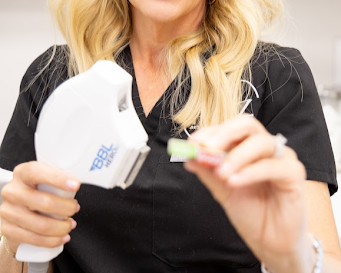
BroadBand Light (BBL) represents an advanced evolution of light-based rejuvenation. If you are new to light therapies, learning what the BBL laser does helps explain how precise light wavelengths clarify target tissue. When performing BBL for redness, providers utilize broad-spectrum light energy precisely tuned to target hemoglobin, the red pigment found inside red blood cells within dilated capillaries.
Selective Photothermolysis
As the BBL handpiece glides across the skin, hemoglobin absorbs the light energy and converts it into controlled thermal energy. This heat gently closes the damaged capillary walls without harming surrounding tissue. Over the following days, your body’s natural processes absorb and clear the inactive vessel debris. This reveals a noticeably calmer, clearer complexion.
Targeted Visible Facial Veins Treatment
BBL can be customized with specific vascular filters. This allows providers to address both diffuse background flushing and individual broken capillaries. By addressing these dilated vessels at their source, visible facial vein treatments restore clarity and strengthen the skin’s appearance.
Expected Outcomes and What Results You Can Expect
Redness reduction with light therapy develops progressively as your vascular system responds to treatment.
- Initial Response: Immediately following a BBL session, treated areas may feel mildly warm, similar to a light sunburn sensation. This warmth typically resolves within a few hours.
- Progressive Clarity: Over 7 to 14 days, visible capillaries fade, and background flushing diminishes. Skin texture feels smoother, and overall tone becomes visibly more uniform.
- Optimal Treatment Series: While a single session provides visible relief, achieving lasting results generally requires a series of 3 to 4 treatments spaced roughly 4 weeks apart. Understanding how many sessions of BBL laser are needed allows you to customize your schedule effectively. Periodic maintenance sessions each fall can help manage new vascular dilation caused by seasonal weather shifts. For deeper planning, review how long Broadband Light therapy results last to maintain your tone.
Who Is an Ideal Candidate for Redness Reduction?
Advanced light therapies offer a versatile, non-invasive option for individuals struggling with vascular skin concerns.
Signs you may benefit from professional facial redness treatment include:
- You experience persistent redness on your cheeks, nose, chin, or forehead.
- You notice visible broken capillaries or spider-like facial veins around your nose or cheeks.
- Cool weather, indoor heating, or temperature changes trigger uncomfortable flushing.
- Cosmetic makeup fails to cover underlying red undertones effectively.
- You seek a non-surgical solution with minimal downtime to achieve a calm, even skin tone.
- You want an educational skin evaluation to understand your vascular triggers better.
What to Expect During Your Treatment Experience at The Fitz
At The Fitz Aesthetics & Wellness, your skin journey begins with a private, educational consultation dedicated to understanding your skin’s unique needs.
Our clinical team evaluates your barrier health, vascular patterns, and personal goals. We discuss your daily habits, medical history, and environmental triggers to determine whether BBL or complementary care is right for you.
During your session:
- Pre-Treatment Preparation: Your provider thoroughly cleanses your skin and applies a cooling gel to facilitate smooth handpiece movement.
- Advanced Sapphire Cooling: The BBL system features integrated sapphire cooling. This maintains a cool temperature against your skin surface, keeping you comfortable throughout the procedure.
- Gentle Light Delivery: The handpiece delivers swift, gentle pulses of light across target areas. You may feel a mild snap or warm tingling sensation as energy reaches dilated vessels.
- Post-Care Shielding: Soothing serums and broad-spectrum mineral SPF are applied immediately following treatment to shield delicate skin.
There is no required downtime. You can return to your daily schedule right away with clear guidance on post-treatment skin protection.
Supporting Skin Balance as October Temperatures Cool
As autumn deepens across Oklahoma, caring for reactive skin becomes an essential part of your daily routine. Persistent facial flushing does not have to dictate how you feel or look. Pairing clinical light treatments with medical-grade skincare products that deliver results protects your barrier and extends your clarity. By combining advanced light therapies with gentle barrier protection, you can navigate seasonal shifts with total confidence.
Frequently Asked Questions
Why is my face always red?
Persistent facial redness often occurs due to dilated blood vessels, weakened capillary walls, or conditions like rosacea. Environmental factors such as cold weather, wind, and indoor heat cause blood vessels near the surface to expand, creating a permanent flushed appearance.
Can BBL help with facial redness and broken capillaries?
Yes. BBL therapy delivers targeted light energy absorbed by hemoglobin in dilated blood vessels. This gentle thermal energy closes broken capillaries and reduces background flushing, allowing your body to naturally clear the vessel debris.
Is BBL for redness a treatment for medical rosacea?
BBL effectively targets and reduces the visible vascular symptoms of rosacea, such as flushing and broken capillaries. However, rosacea is a chronic condition, and BBL serves as a cosmetic management tool rather than a medical cure. A professional evaluation helps determine when medical oversight is also recommended.
How many BBL sessions are needed for facial redness treatment in Edmond, OK?
Most patients achieve optimal clearance through a customized series of 3 to 4 BBL sessions spaced 4 weeks apart. Maintenance treatments once or twice a year help manage seasonal flushing and new vascular formation.
What is the recovery time after a BBL treatment for redness?
BBL requires minimal to zero downtime. You may experience mild warmth or light redness similar to a slight sunburn for a few hours after your visit, but you can immediately resume your normal daily activities.
Calm Your Complexion and Restore Even Skin Tone in Edmond
You do not have to live with persistent facial flushing or visible capillaries. With an expert clinical evaluation and targeted light therapy, achieving a calm, luminous, and even skin tone is achievable.
To learn more about our customized vascular care options, explore our dedicated Laser & Light Treatments page. When you are ready to take the next step, schedule a private skin consultation at our Edmond suite located at 14201 N. Santa Fe St, Suite 107. Our experienced medical team looks forward to helping you welcome fall with clear, confident skin.